Saturday, October 3, 2026

A rare sighting of a Pangolin in Serengeti

One recent afternoon, during a game drive at Lamai area of Serengeti in light rain, we spotted several lions watching a herd of wildebeest on the horizon. As I followed them, the lions began stalking the herd, but alert zebras soon detected the danger and disrupted the pursuit. Just as I prepared for a possible hunt, something far rarer caught my attention: a pangolin—only my second sighting in 15 years in the bush.

As the lions moved closer, one lioness discovered the pangolin and immediately tried to attack it. The pangolin responded by curling tightly into a ball, exposing only its incredibly tough scales. The lioness repeatedly attempted to break through its armor, but after several unsuccessful efforts, she gave up and returned toward the cubs.

A second lioness soon arrived and tried her luck, but the pangolin remained perfectly protected and motionless. Eventually, she too abandoned the attempt. What began as a lion hunt became one of my most unexpected and memorable wildlife encounters—a remarkable demonstration of the pangolin’s natural defense. Some days in the wild simply cannot be scripted. On a trip with Natural Habitat Adventures


Friday, July 11, 2025

The great wildebeest migration now enters Masai Mara

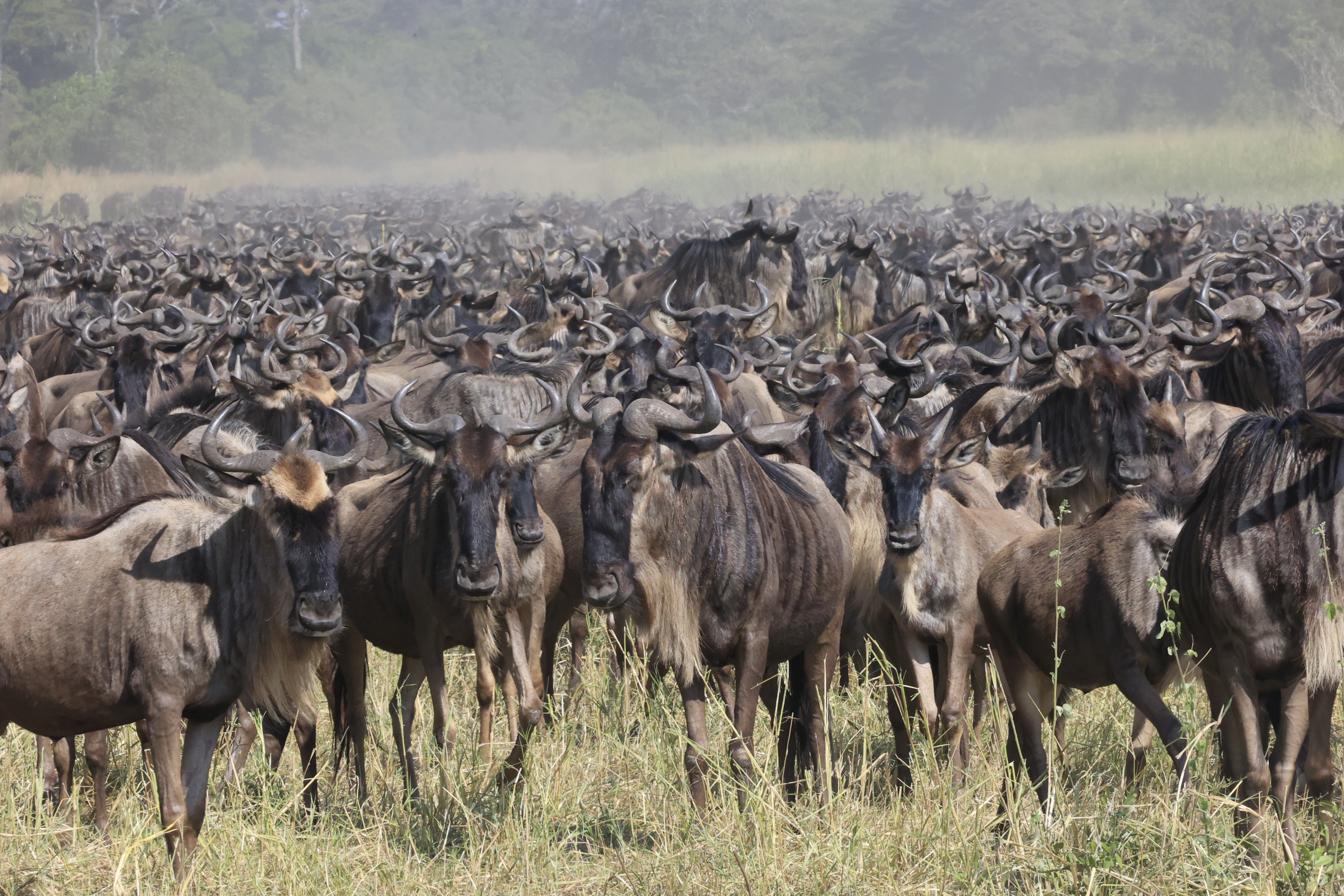
The wildebeests migration has finally arrived in the Mara! Over the past four days, a large herd has made its way to the Sand River area between Koga and Naima Lumbwa hills, although their progress is currently hindered by the abundant grass in their path. We've been observing these magnificent creatures on the plains across the Sand River, and just few days ago, the first herds crossed into the Masai Mara. There is still a significant gathering of wildebeest poised to cross the Sand River over the coming days

Between July and October, over a million wildebeest, along with zebras and gazelles, migrate from Tanzania’s Serengeti National Park to Kenya’s Masai Mara Game Reserve in search of greener pastures and water. This movement is driven by the drying southern Serengeti after the rains.


The journey features the dramatic Mara River crossings, where herds brave strong currents and lurking crocodiles. Predators like lions, leopards, and hyenas also take advantage of the migration, making this a peak time for dramatic wildlife encounters.


By October, the herds begin their return journey as rains revive the Serengeti plains. They spend the rest of the year in the Serengeti and Ngorongoro Conservation Area, especially during the January–March calving season, completing this remarkable annual cycle.


Map of the Serengeti and Mara, showing the herds location and direction of movement


Popular Posts